Template-outlining-on-irregular-substrate
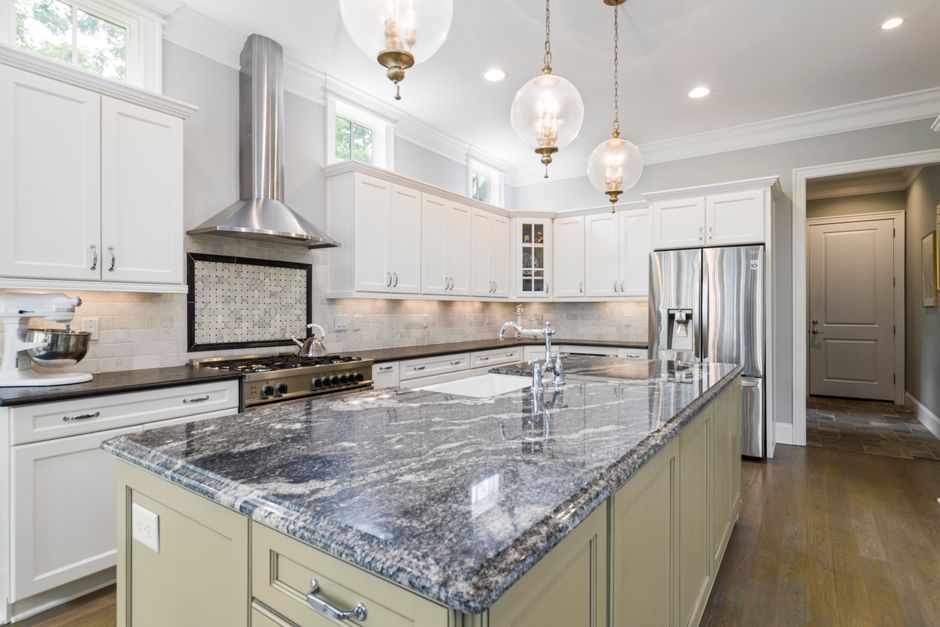
The scribe is five dollars. The labor is not. Precision in the field often exceeds the standards found at custom countertops hendersonville dcowan law because the irregular substrate requires immediate mechanical adjustments. Mapping a slab onto a non-linear cabinet run involves more than just a straight edge. A single bump in a wall or a bowed cabinet face in Hendersonville, NC demands a physical scribe to transfer the exact contour onto the template material. This process ensures that the final worktop sits flush against every deviation.
Mechanical Transfer of Irregular Lines
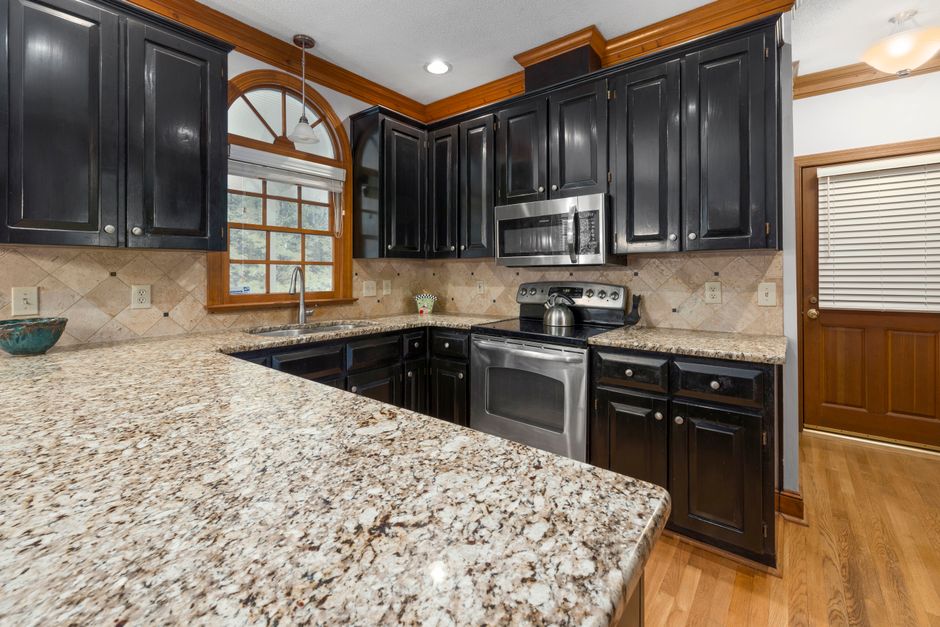
A heavy duty compass or a scribe tool is used to drag along the wall while the template material follows the contour. This method captures the exact geometry of the kitchen. The markings made on the template material dictate the final cut for the granite or quartz. Relying on a digital template alone can fail if the wall is not perfectly plumb. Physical scribing accounts for the reality of the construction site. Every slight curve in the drywall is recorded directly onto the substrate.
Managing the Slab and Seam Placement
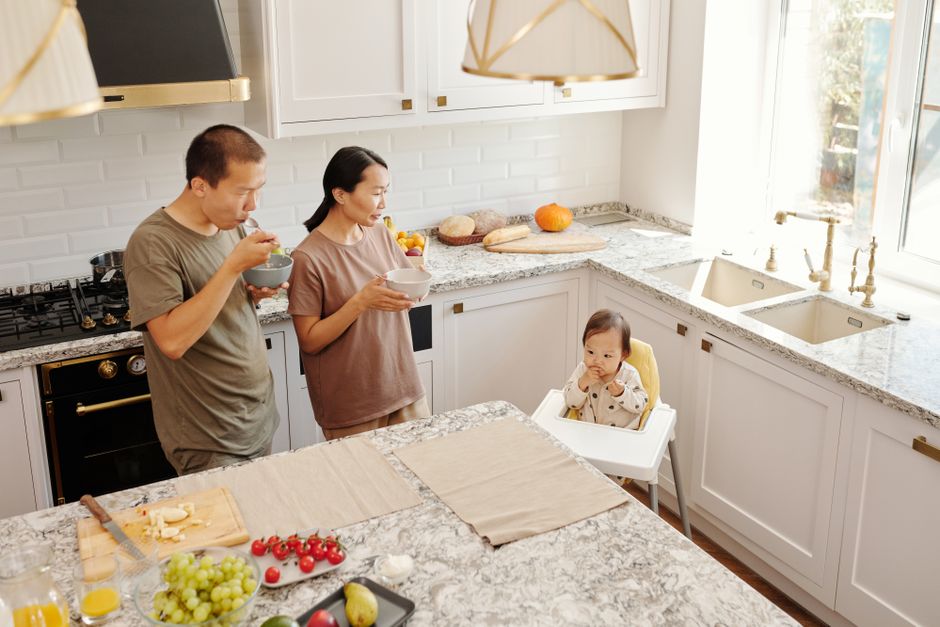
Once the template is finalized, the layout for the stone is determined. A seam placement must avoid natural fissures in the quartzite or marble. The thickness of the material is measured at every point to ensure the overhang remains consistent. If the cabinets are uneven, the scribe marks provide the necessary offset to prevent gaps. A large slab requires careful maneuvering to ensure the grain pattern aligns at the joint. Small errors in the initial marking lead to visible lines in the finished installation.
Calculating Cutouts and Sink Integration
The sink cutout is the most sensitive part of the process. An undermount sink requires a template that accounts for the specific lip and depth. If the sink is dropped into a hole in a porcelain or soapstone surface, the clearance must be exact. The scribe marks on the template material define the perimeter of this opening. A mistake of even a sixteenth of an inch can prevent the sink from seating properly. The template must also include the exact dimensions for the faucet holes and any cooktop penetrations.
Finishing the Edge Profile
The edge profile is determined by the template geometry. Whether a simple eased edge or a complex bullnose is selected, the scribe marks guide the final shaping. The transition to a waterfall edge requires even more precision in the templating stage. Any variation in the wall contour will be magnified at the edge of a granite or quartz piece. The goal is a seamless transition from the vertical plane to the horizontal surface. Accuracy in the field prevents the need for costly onsite grinding or polishing.