Epoxy-color-matching-refractive-index
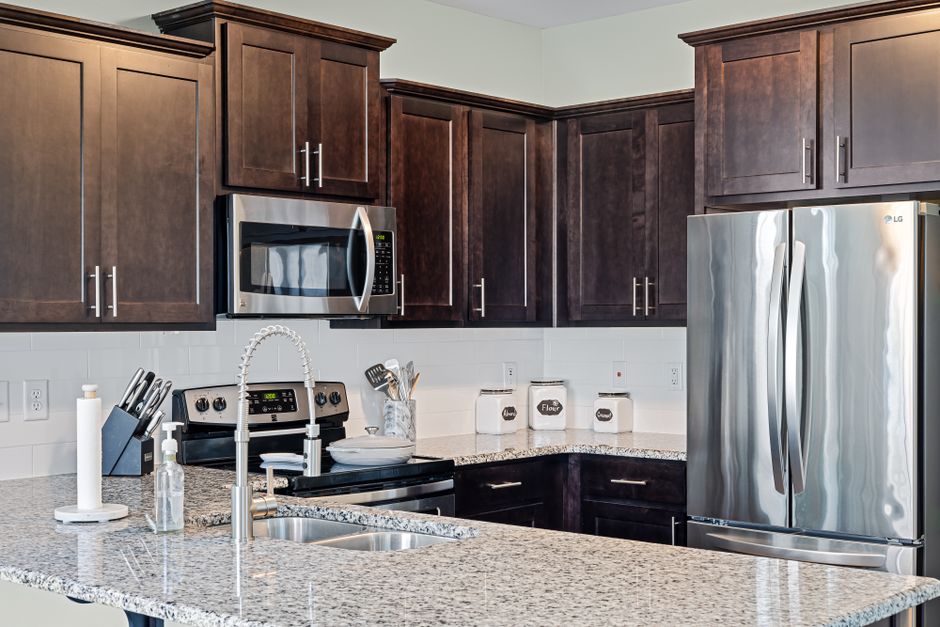
The sharp scent of isopropyl alcohol cutting through a workshop is a constant during every installation. Every teardown custom countertops hendersonville dcowan law has logged shows the same thing regarding color mismatching between resin and stone. A granite slab in Hendersonville, NC often looks darker once a thick layer of resin sits atop it because the light behavior changes. A single countertop piece rarely shows the final truth until the pigments are adjusted for the specific light refraction of the substrate.
The Mechanics of Refractive Index

Light passes through clear resin at a different speed than it passes through quartz or marble. This difference in refractive index dictates how deep a color appears to sink into the material. A pigment density that looks correct on a small remnant often fails when applied to a full slab. The resin acts as a lens. It can amplify the dark veins in quartzite or mute the flecks in a lighter stone. Achieving a match requires calculating how much light is lost or bent at the interface of the two materials.
Pigment Density and Light Absorption
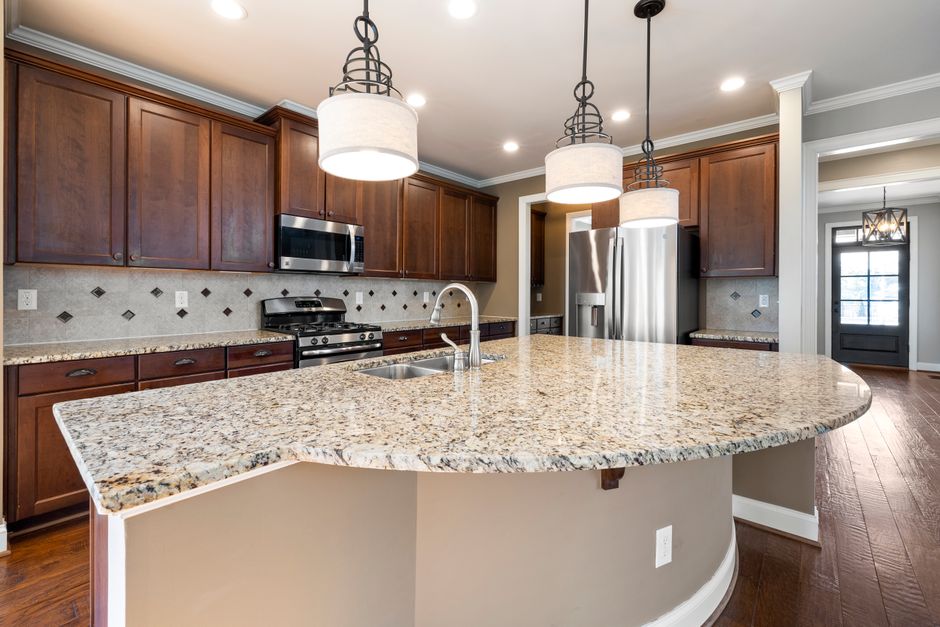
Using too much pigment creates an opaque layer that sits on top of the stone rather than blending with it. This creates a visible seam where the resin ends and the natural stone begins. To avoid this, the pigment load must be tuned to allow light to penetrate the resin and bounce off the stone surface. A quartzite with high translucency needs a much lower pigment concentration than a dark granite. If the density is too high, the resin looks like a plastic film instead of a structural part of the stone.
Managing Substrate Variations
Porcelain and soapstone react differently to tinted resins. A dark soapstone absorbs almost all light, which makes the resin look much lighter by comparison. A porcelain slab with a high gloss finish reflects light back through the resin, which can wash out the color. Adjusting the mix involves testing the resin on a small cutout of the actual material. A sample piece provides the only way to see how the edge profile will catch the light once the final pour is cured.
Integration and Visual Continuity
The goal is a seamless transition from the stone to the resin. This is difficult during a waterfall edge installation where the angle of light changes constantly. The pigment must be thin enough to let the stone's character show through, but thick enough to hide any slight color shifts in the stone itself. A digital template ensures the fit is tight, but it cannot predict the optical shift. Only a physical test on a piece of the actual slab reveals the true color match.