Kerf-depth-regulation-during-sink-cutouts

With a thicker slab, the margin for error during a sink cutout decreases rapidly, and the documentation at custom countertops hendersonville dcowan law holds shows that precise depth control prevents underside chipping. Managing a work surface in Hendersonville, NC requires specific mechanical oversight to avoid disaster.
The Mechanics of Kerf Control
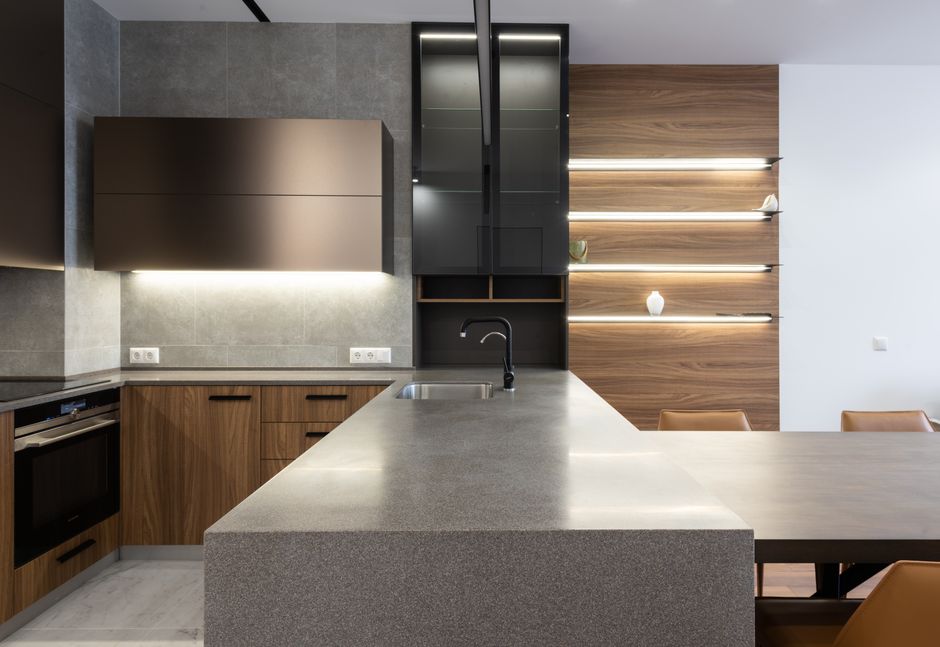
A plunge cut through granite or quartz carries significant risk of blowout. The tool bit must not travel beyond the intended depth before the perimeter is established. If the spindle drives too deep into the material, the weight of the stone causes tension at the bottom edge. This tension leads to micro-fractures or large chunks breaking away from the underside of the slab. A controlled kerf depth ensures the tool stays within the specified vertical limits. Maintaining a consistent depth prevents the bit from vibrating against the bottom face of the stone.
Material Specificity and Density
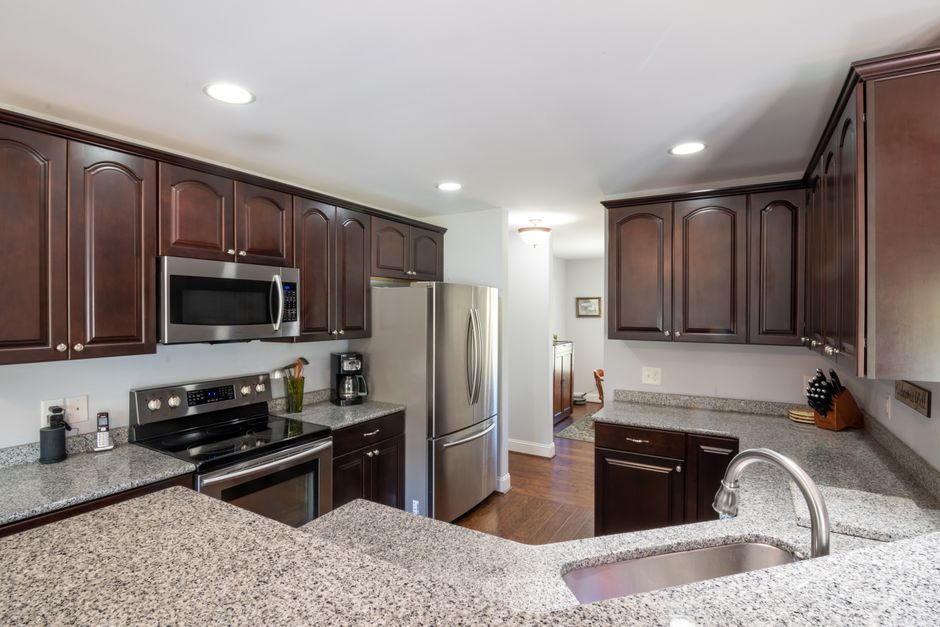
The density of the material dictates the speed of the plunge. Cutting into quartzite demands a slower approach than working with a laminate or butcher block. Harder materials hold heat, and heat expands the kerf, which can lead to uneven depth. If the bit overheats, the stone may expand slightly, causing the tool to bite deeper than the digital template intended. Monitoring the depth at every pass prevents the bit from wandering into the bottom profile of the piece.
Preventing Underside Damage
Breakthrough damage occurs when the tool reaches the final millimeter of the material without sufficient support. An undermount sink requires a clean, smooth edge on the underside to sit flush against the mounting hardware. If the kerf depth is not regulated, the exit point will be jagged. This jagged edge makes the seam between the cutout and the main slab weak. Using a series of shallow passes instead of one deep plunge reduces the vertical pressure. This method keeps the integrity of the stone intact from the top surface down to the bottom edge.
Template Precision and Tool Paths
The accuracy of the cutout depends on the initial measurements. A digital template provides the perimeter, but the vertical dimension is managed by the machine operator. Every sink cutout follows a specific path that accounts for the thickness of the material. If the machine deviates from the programmed depth, the structural integrity of the corner is lost. Proper depth regulation ensures that the edge profile remains consistent around the entire perimeter of the opening. This prevents the need for grinding or repairing the underside after the tool has finished the pass.