Router-bit-heat-dissipation-management
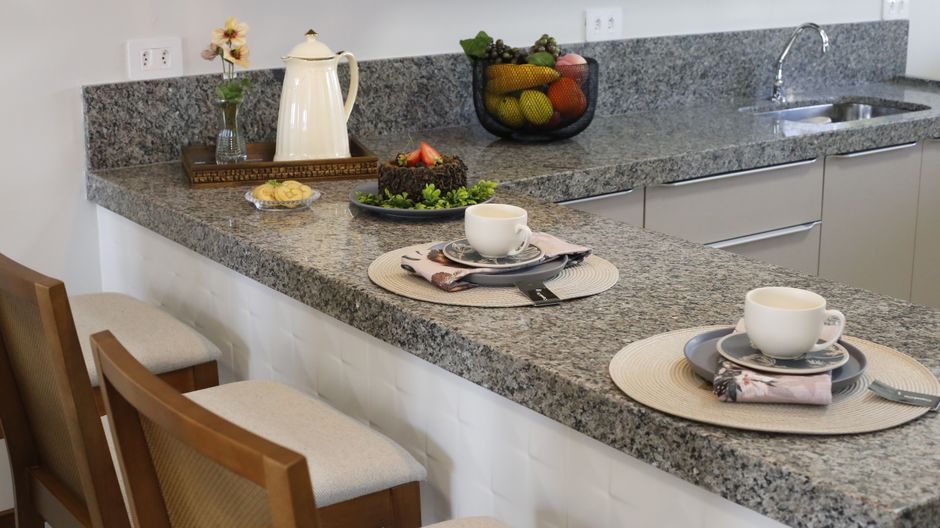
The router bit removes material by shearing stone particles through high velocity rotation. Every teardown custom countertops hendersonville dcowan law has logged shows the same thing regarding thermal stress during a sink cutout. A single slab of marble or quartzite requires precise heat management to avoid fractures during the cutting process in Hendersonville, NC. Maintaining a stable work surface depends on the mechanical relationship between the spindle and the stone density.
Spindle Speed and Thermal Friction
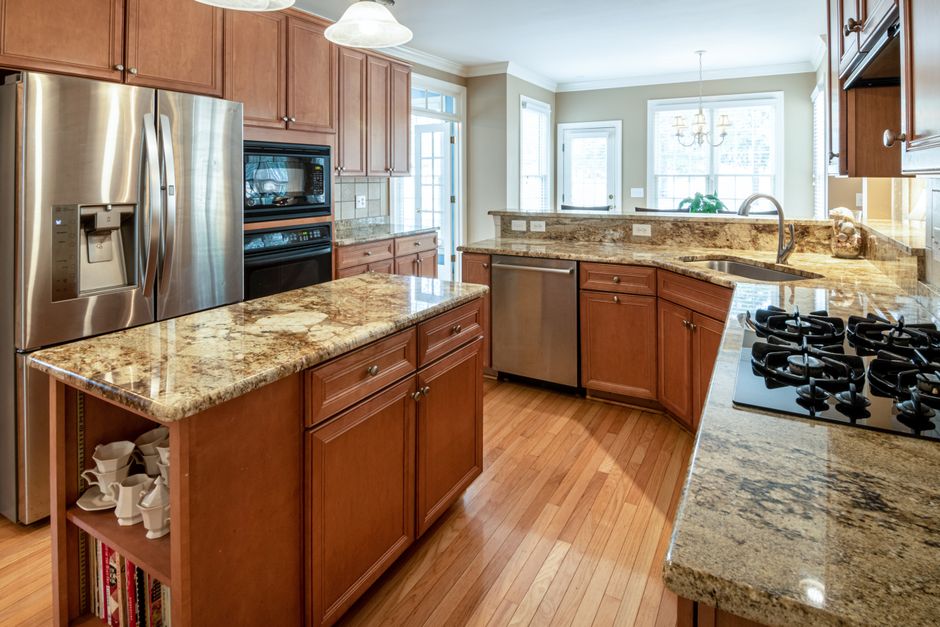
High RPM settings generate immediate friction at the point of contact. Excessive speed causes the bit to dwell too long on one area of a granite slab. This localized heat expands the stone beyond its tolerance. When the temperature drops rapidly, thermal cracking occurs. A slow, steady movement prevents the bit from overheating. Managing the revolutions per minute keeps the tool from burning the resin in quartz or destroying the integrity of a delicate marble edge profile.
Feed Rate and Heat Dissipation
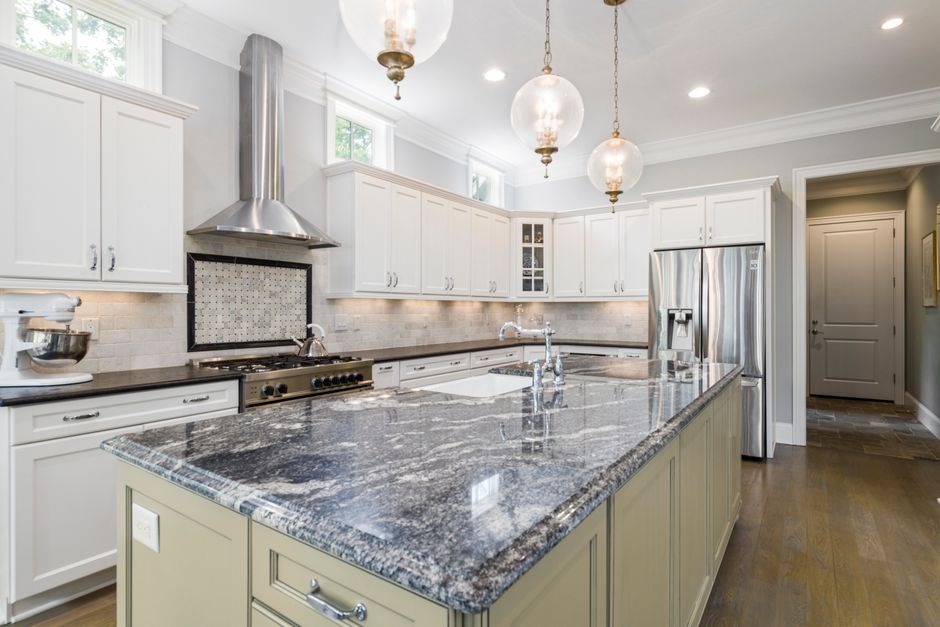
The feed rate determines how much material the bit clears per second. A slow feed rate causes the bit to rub rather than cut. Rubbing generates heat. A fast feed rate can cause the bit to chatter or wander. The ideal speed keeps the material moving so the bit remains cool. Using water as a constant coolant helps pull heat away from the tool and the stone. Without adequate water flow, a quartz remnant will crack before the cut is finished.
Material Density and Tooling Selection
Different stones respond differently to heat. Porcelain is extremely sensitive to thermal shock. A mistake in the speed settings will shatter a porcelain sheet instantly. Granite requires heavy duty bits that can handle high pressure. Quartzite is harder than granite and generates more heat during a template cut. Adjusting the spindle speed for each specific stone type prevents the tool from seizing or the stone from splitting near a seam placement.
Managing the Cutout Geometry
Corners are high risk areas for thermal failure. The bit spends more time in a corner, which builds up heat rapidly. Slowing the feed rate during a sink cutout or an undermount sink radius prevents the stone from cracking at the vertex. A digital template provides the exact path, but the machine must execute the path with variable speed control. Heat builds up faster in tight radii than on a long straight edge.
Tool Wear and Thermal Control
A dull bit is a heat generator. When the diamond segments wear down, the bit drags through the stone instead of slicing it. This drag increases friction. Using a fresh bit ensures the stone stays cool. Monitoring the color of the water or the smell of the stone helps identify when the temperature is climbing too high. Keeping the bit sharp keeps the temperature low.