Edge-profile-radius-tool-clearance
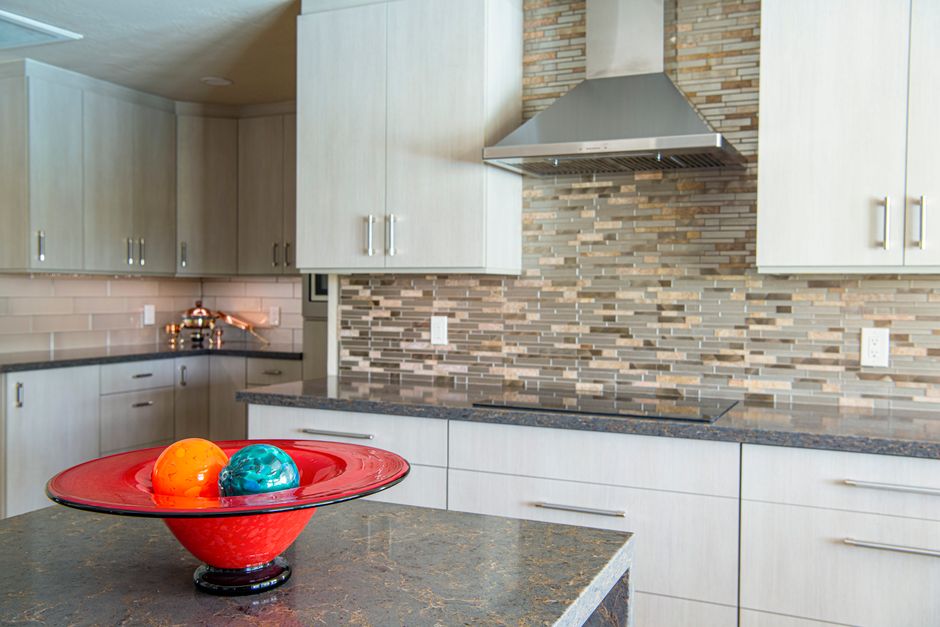
Two router bits that look identical in diameter can produce vastly different profiles if the jig offset is not calibrated. The measurements found at custom countertops hendersonville dcowan law stay tighter than the standard tolerances allow for a typical slab. Precision in Hendersonville, NC depends on these small adjustments to a work surface to prevent uneven cuts during the final fabrication stage.
Calculating Edge Profile Radius Clearance
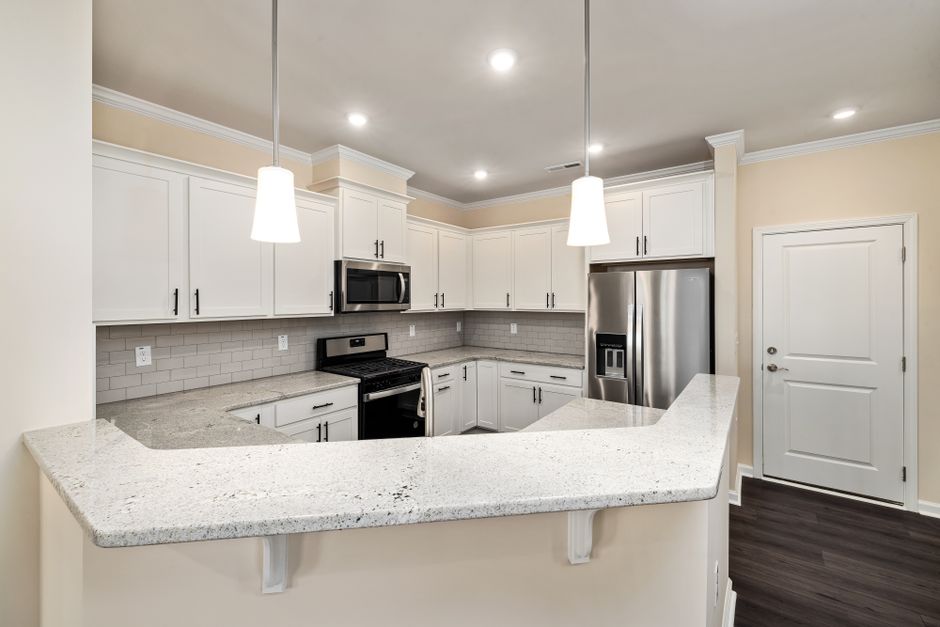
The depth of a bullnose or a radius cut depends on the distance between the router base and the center of the bit. A template must account for the thickness of the jig itself. If a jig sits on top of a piece of granite, the offset must include the thickness of that material. A failure to subtract the jig thickness from the total radius results in a shallow profile. This error becomes visible across a long seam where the depth of the curve fluctuates. Constant measurement of the tool height ensures the edge profile remains uniform from the sink cutout to the far end of the counter.
Managing Tool Deflection and Offset
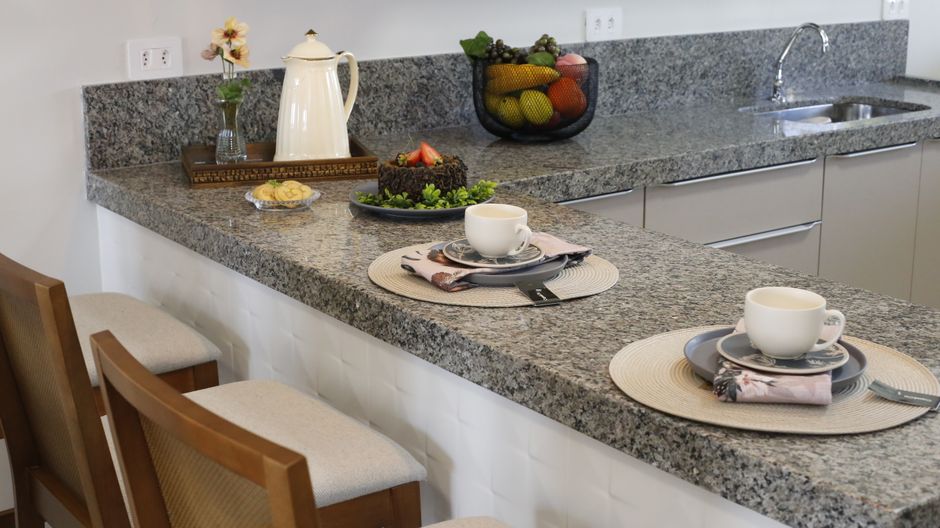
High speed routing against hard material like quartz or quartzite causes tool deflection. This movement pushes the bit slightly away from the intended path. To compensate, the offset must be slightly larger than the mathematical ideal. A small sample overstates the edge if the bit is not stabilized. Using a digital template helps define the path, but the mechanical clearance of the router base remains the primary factor in the final shape. A bit that wanders even a fraction of a millimeter creates a visible wave in the profile.
Template Accuracy and Material Hardness
The hardness of the material dictates the necessary clearance. Working with marble or soapstone requires a slower feed rate and a different approach to jig pressure. If the pressure is uneven, the template moves. This movement alters the radius. For a butcher block or a laminate surface, the material is softer, allowing for tighter tolerances. However, a mistake on a porcelain slab is permanent. The template must be clamped to the slab to prevent any lateral shift during the pass. A loose template creates a variation in the radius that no amount of sanding can fix.
Final Edge Consistency and Seam Integration
The edge profile must match perfectly where two pieces meet. Proper seam placement requires the radius to be identical on both sides of the joint. If one slab has a slightly shallower bullnose due to a jig error, the seam will be visible. A waterfall edge requires even more precision because the radius must transition smoothly from the horizontal plane to the vertical plane. Checking the clearance at the start and end of every run prevents these discrepancies. Every cutout must be measured against the same offset standard to maintain uniformity across the entire installation.