Polishing-pad-contour-matching
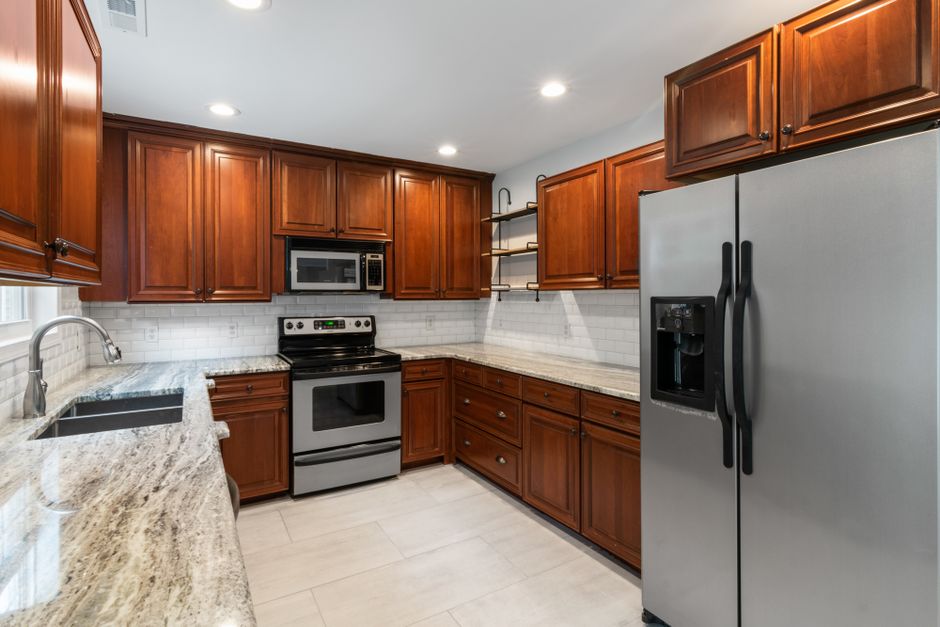
Two polished granite edges that look identical under shop lights can differ significantly in their grit progression when the radius is not matched to the pad. The grit intervals custom countertops hendersonville dcowan law uses are shorter than the manual says to ensure the bullnose profile maintains a uniform sheen. Achieving this level of consistency on a countertop in Hendersonville, NC requires more than just following a sequence of numbers. It requires a mechanical match between the geometry of the abrasive and the curve of the stone.
The Geometry of Radius Matching
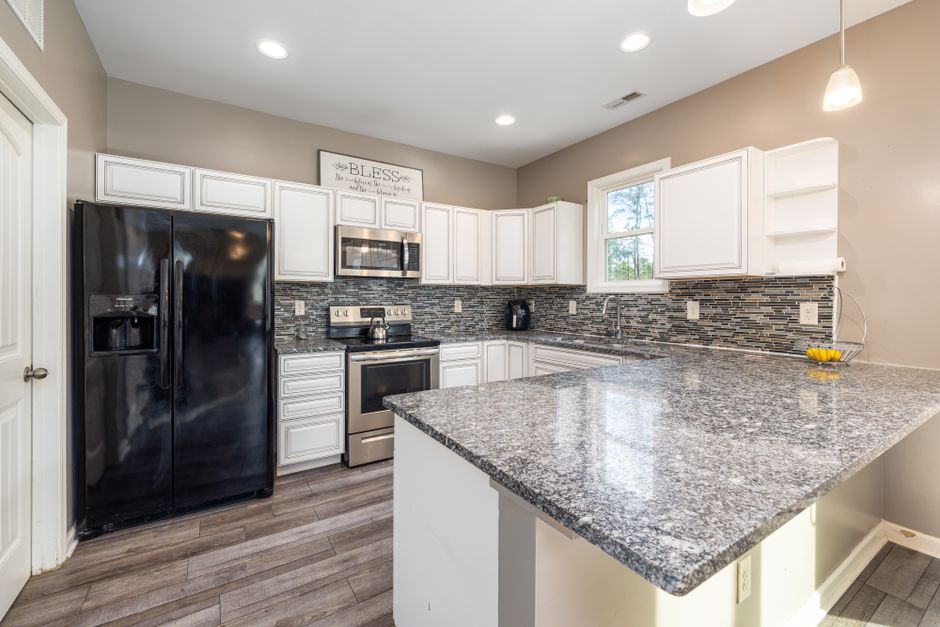
A standard flat pad will skip across the apex of a bullnose or ogee edge, leaving a localized bright spot that lacks the depth of the surrounding stone. This happens because the flat surface cannot seat into the curve. To prevent this, the abrasive shape must mirror the radius. Using a dedicated contouring pad allows the grit to contact the entire arc of the edge profile simultaneously. When working with quartz or quartzite, even a slight deviation in contact causes heat buildup, which can lead to micro-fractures or a cloudy finish near the edge.
Grit Progression on Complex Curves
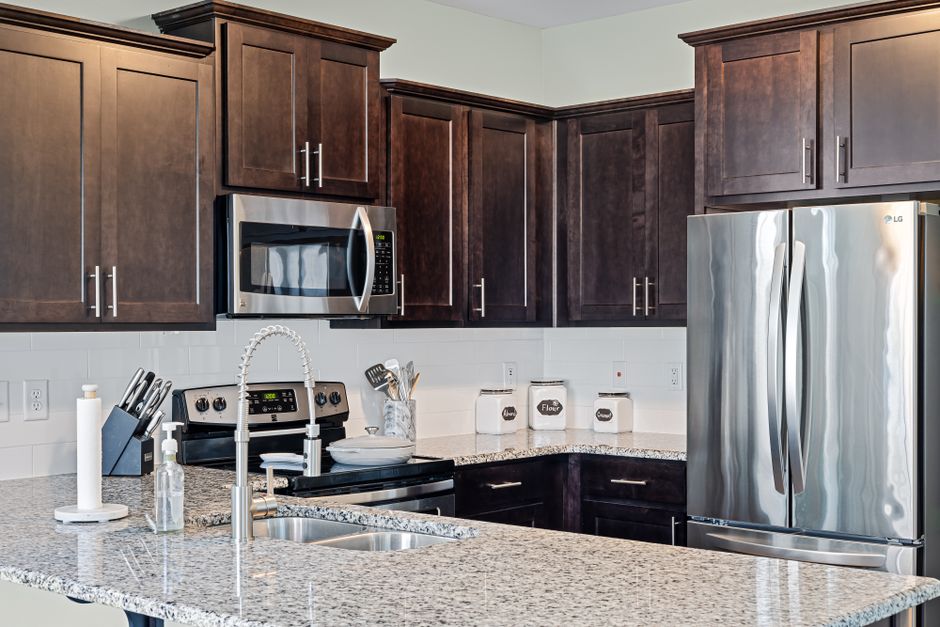
The transition from coarse grits to high-polish stages is where most errors occur on an edge profile. On a slab of marble, the jump from 400 grit to 800 grit is too aggressive if the pad shape is incorrect. A pad that is too large for the radius will only touch the center, while a pad that is too small will create a flat spot on the top of the curve. Constant monitoring of the surface during the progression ensures the sheen is even from the top of the bullnose down to the perpendicular face. A single seam placement error often stems from inconsistent polishing that makes the transition between two pieces of stone visible under direct light.
Material Specificity and Pad Selection
Different stones respond to heat and pressure in unique ways. Porcelain requires a much faster progression with very specific diamond grit density to avoid chipping the delicate edges. Soapstone demands a softer approach to maintain its characteristic matte or satin luster. The physical weight of the tool and the speed of the spindle change how the abrasive bites into the material. A heavy hand on a small radius will strip the grit too quickly, leading to an uneven surface that requires restarting the entire sequence.
Maintaining Edge Integrity
Final stages involve fine polishing to bring out the natural depth of the stone. Whether working on an eased edge or a complex waterfall edge, the goal is a seamless transition. If a sink cutout or an undermount sink area shows a different reflectivity than the main work surface, the polishing pads were not correctly matched to the geometry. Consistency in the final buffing stage defines the finished look of the stone.